What is an arborist?
An arborist is a professional who works in tree care. The work can include assessment, pruning, maintenance and removal, with attention to the tree and the setting around it.
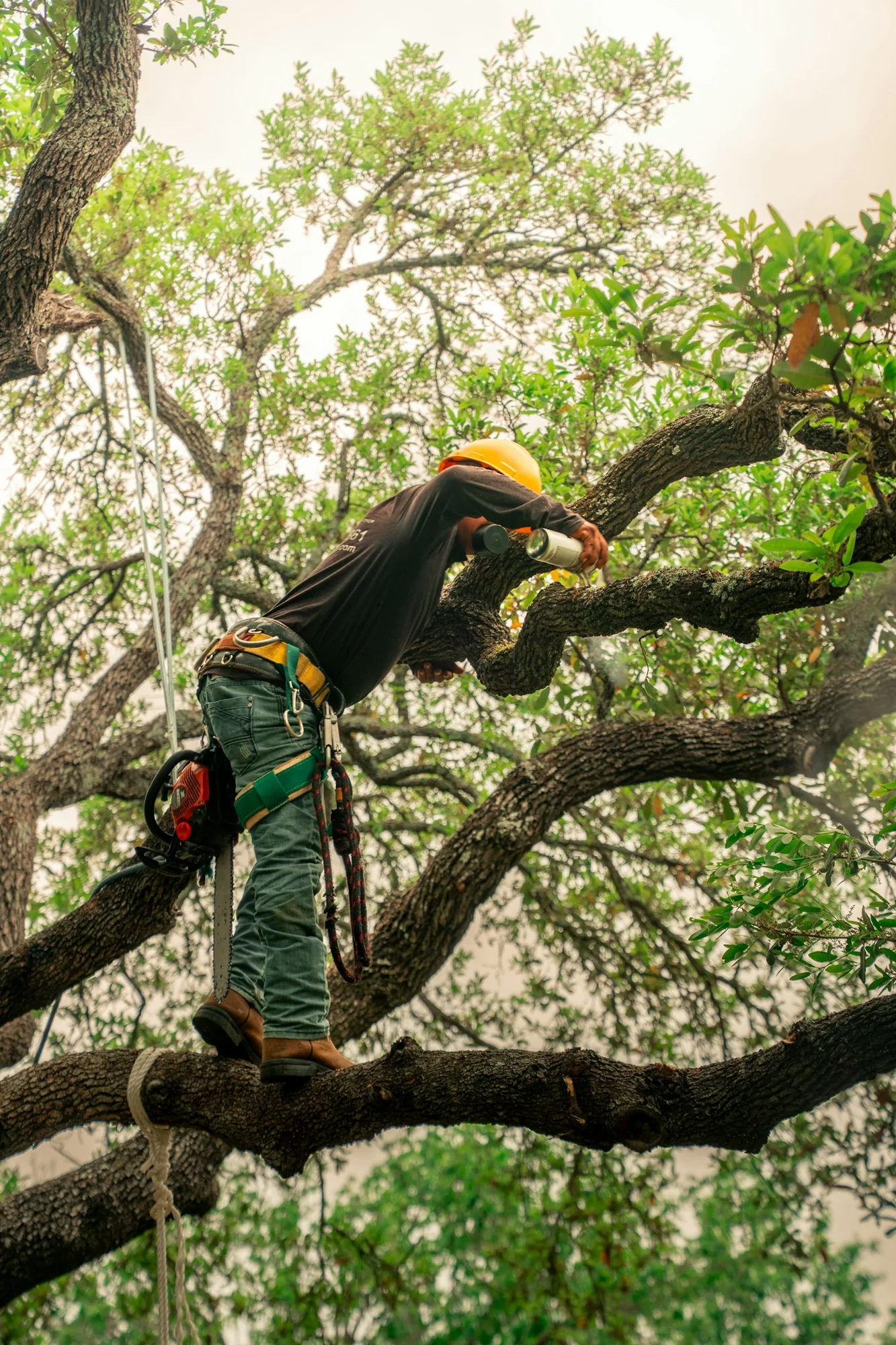
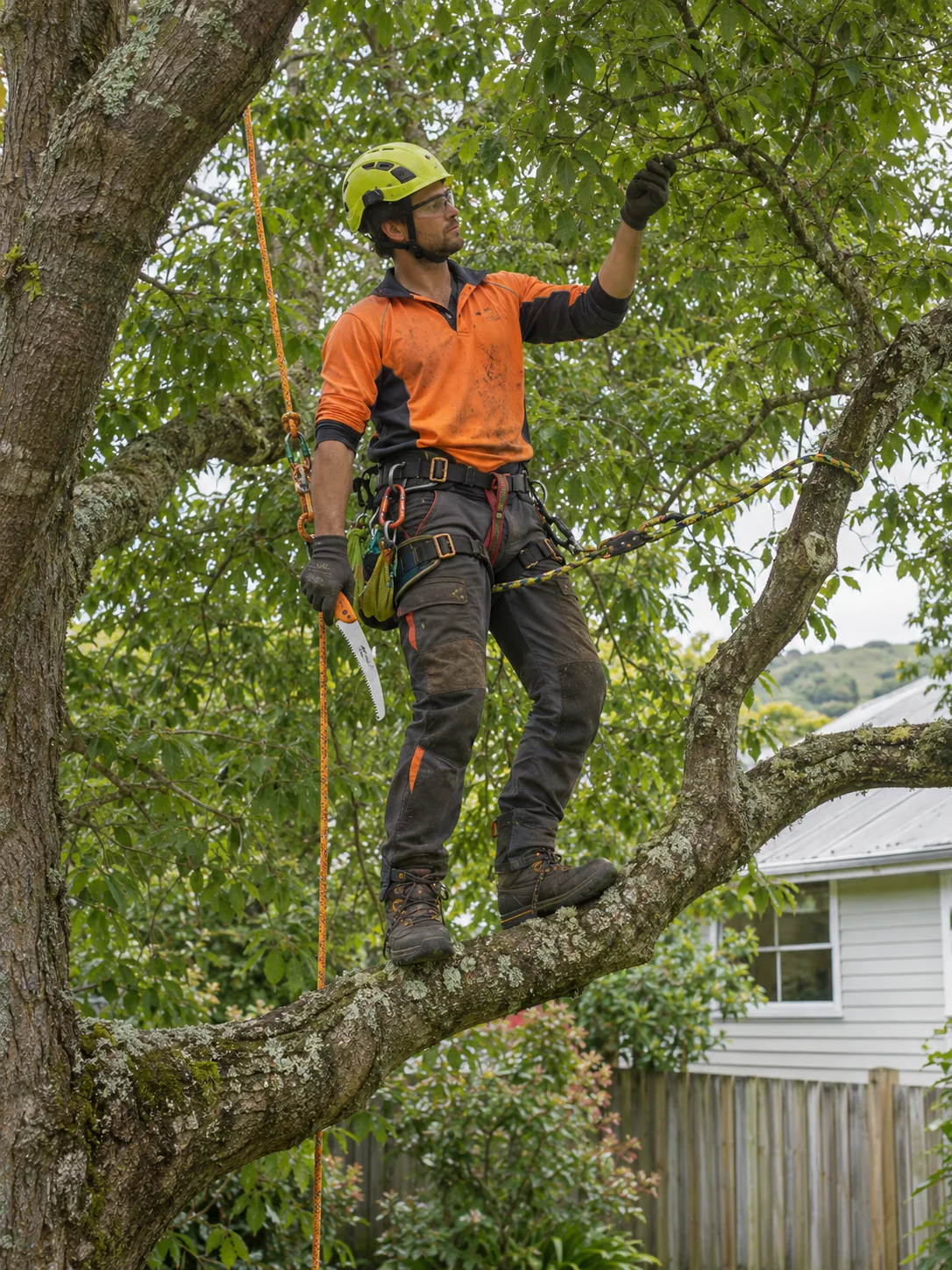
If you are unsure whether a tree needs pruning, removal or a closer assessment, our Gisborne arborist services can help you understand the options. Tell us about damaged branches, growth near a building or changes in the tree so we can discuss the appropriate next step.
We help with the everyday concerns that come with established trees: branches approaching a roof, a canopy becoming difficult to manage or damage that leaves you unsure what to do next. Our role is to help identify suitable work and explain the options.
Tree surgery can involve retaining and caring for a tree as well as removing one. We consider the tree's place on the property and what you want from the space, so the service has a clear purpose.
Call 06 883 0114 to discuss your Gisborne trees and request a free quote.
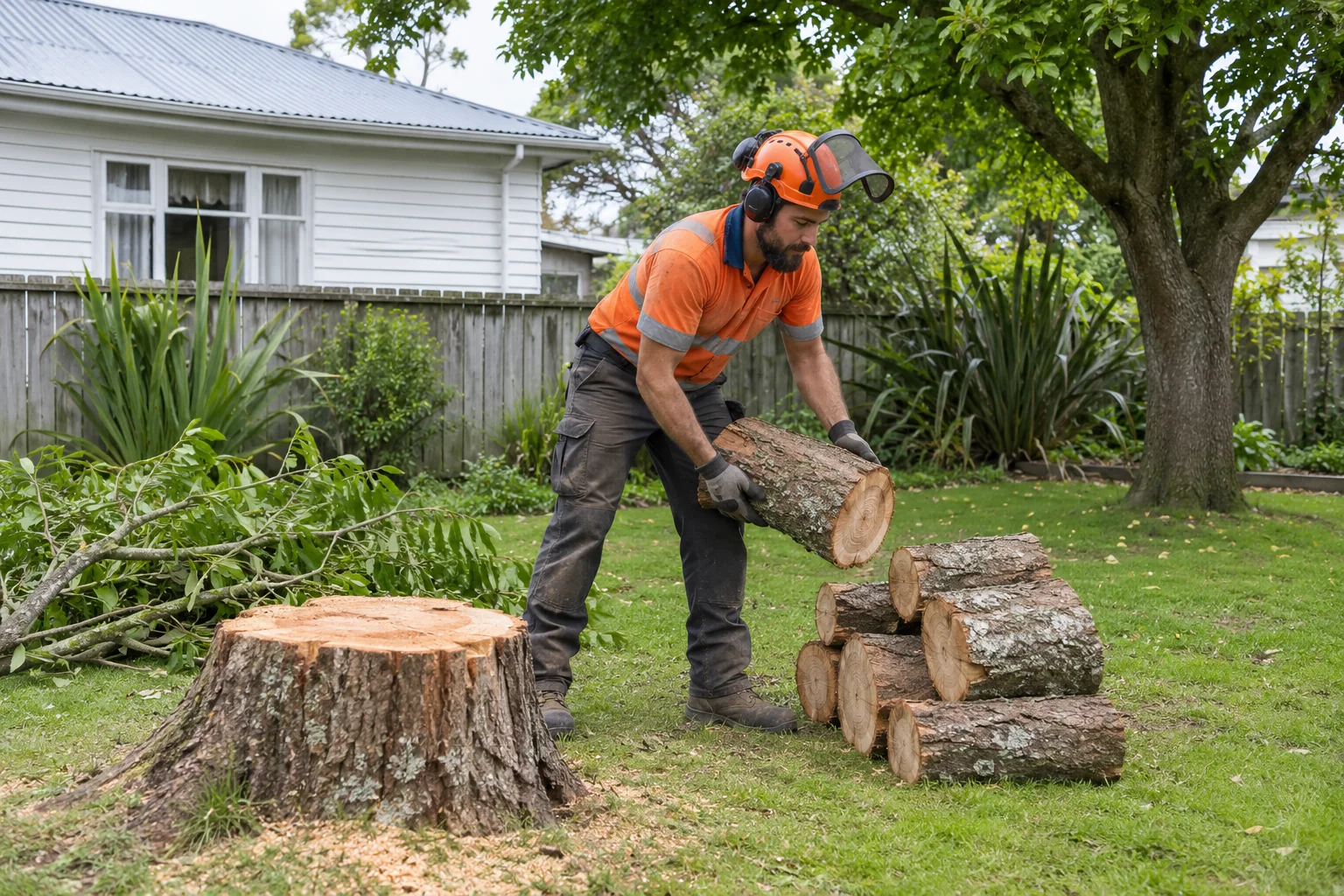
Every tree has its own shape, condition and surroundings. The work it needs should reflect those differences. Our range of tree services gives you practical options for looking after the trees you want to keep and dealing with those that need removing.
Pruning addresses selected branches or parts of the canopy. It can be used for clearance, damaged growth or the development of a tree's form. We discuss the result you want and the parts of the tree involved. Learn more about tree pruning in Gisborne.
A tree may be unsuitable for its location or have problems that appropriate pruning cannot resolve. Our tree removal service considers its condition, the space around it and a suitable method for bringing it down.
Broken limbs and trees affected by strong weather need to be assessed in the context of the damage. We welcome enquiries about selected branch work, fallen tree removal and the clean-up that follows. Call to check current availability.
An old stump can remain an obstacle long after a tree has been removed. Stump grinding addresses the wood in an agreed area so the next use of the area can be planned.
Palms and hedges have their own maintenance needs. We provide palm care and hedge trimming, helping you keep feature planting and boundary screens in order alongside your trees.
A tree assessment brings visible observations together with the history and setting of the tree. A change in one part of the crown may have a different significance from damage to a main stem. Looking at the whole tree helps make the next decision more useful.
Tell us about changes you have noticed, previous pruning and recent work nearby. That information supports an inspection but does not replace it. Some concerns may need further investigation beyond an initial visit.
The arrangement of branches, areas of dead growth and visible damage help shape the care discussion. We consider which parts need attention and what can be retained. The aim is to identify suitable work rather than apply a large reduction to every tree with a problem.
The base of a tree and the space around it matter as well as the crown. New paving, excavation or a change to the site layout may be relevant to the assessment. Mention those changes early, especially if more work is planned close to a retained tree.
You may value the tree for shade, screening or its place on the property. An assessment is more useful when those priorities are understood. The options can then be considered against both the tree's needs and the result you want.
Choosing what to cut is an important part of tree care. Removing the wrong growth or cutting too heavily can leave you with a different problem from the one you started with. An arborist considers the tree and the intended outcome before recommending the work.
The surrounding property matters too. An established tree may sit over a path, beside a building or across a boundary. Those conditions influence how branches can be reached and handled, even when the pruning itself seems straightforward.
Professional advice is particularly useful when the tree's condition is part of the concern. Dead branches, visible damage and changes in foliage deserve more attention than a request to make the whole canopy smaller.
Tree care also needs to distinguish a current problem from a future preference. A broken branch needs a different response from a wish for a smaller canopy. Explaining the reason for the work helps the advice stay focused and avoids unnecessary changes to a useful tree.
We offer a range of services with one focus: helping you manage the trees around your property. You can ask about an individual tree or several jobs together, and we will explain the proposed work in straightforward terms.
We also understand that a favourite tree is more than an item on a work list. It may screen the house, shelter a garden or provide the shade you enjoy. Where appropriate care can meet your needs, retaining it is part of the conversation.
Our approach is based on listening, considering the surrounding property and being clear about the service. Call us when you need help deciding where to start.
For properties with several trees, we can discuss them together without treating every tree as the same job. One may need selected pruning, another may need a closer assessment and a third may need no immediate work. That broader conversation can help you plan care in a practical order.
An established property may contain a mix of tree sizes and forms, each playing a different role on the site. One provides shade, another screens a neighbour and another stands close to access. Good tree care considers those roles as well as individual branches.
The priorities can be different across the property. A damaged tree may need assessment, a healthy canopy may need selected clearance and another tree may be best left alone. Looking at them together helps the work serve the whole outdoor space.
Different species have different growth habits and pruning needs. The appearance of one tree should not be used as a template for all the others. Describe the trees you have and the result you want so their individual form and setting can be considered.
A tree outside the boundary may be a public tree rather than part of your property. Gisborne District Council's street-tree information is the appropriate starting point for those enquiries. Confirm ownership before authorising work.
Tree maintenance is an part of looking after a property. Growth changes, nearby spaces are used differently and older pruning may influence the way a canopy develops. A review of those needs can help you plan suitable work.
Maintenance does not mean every tree needs an annual cut. The species, condition and purpose of the work all matter. A tree beside a driveway may need clearance reviewed, while another may need no pruning at that time.
If landscaping or building work is planned near a retained tree, mention it before alterations begin. Changes around the roots or growing space may need consideration as well as the canopy above.
For background on tree crowns, pruning and changes to watch for, read our tree care and maintenance advice. For work on a specific tree, describe the concern when you call so the appropriate service can be discussed.
Early tree care has a different focus from managing a large established canopy. A younger tree's developing form and its future space should be considered. Suitable attention at that stage can help avoid simply repeating corrective work after growth has become more difficult to manage.
A mature tree may have become a defining feature of the property. Care should take account of that value and the scale of any proposed change. Selected work and a sensible review of its condition may be more appropriate than a routine heavy cut.
Get in touch when a tree is affecting the use of your property, when you notice damage or when you are unsure which service is appropriate. You do not need to identify a disease or select a pruning method before calling.
We can begin with what you have observed and what you would like to improve. A closer assessment helps establish whether the next step is pruning, removal, maintenance advice or further investigation.
An arborist is a professional who works in tree care. The work can include assessment, pruning, maintenance and removal, with attention to the tree and the setting around it.
The terms are often used together. Tree surgery commonly refers to practical work such as pruning and removal; arborist work can also include care and assessment. Ask about the specific service you need.
The price depends on the tree and the work involved. Access, height, surrounding structures and the amount of material to handle all influence the job. Contact us for a free quote for the proposed work.
Tell us what the report is needed for and provide any brief from the requesting organisation. Report availability, required qualifications, scope and fees must be confirmed separately from a quote for physical tree work.
No. A tree's species, growth, condition and position on the property influence its needs. A suitable maintenance approach looks at the individual tree instead of assuming every canopy should receive an annual cut.
Whether you want to care for a favourite tree or remove one that no longer suits the site, we are here to help. Call 06 883 0114 for a conversation about your trees and a free, no-obligation quote.
Click to call
06 883 0114